
500 Episodes In: Our Biggest Wins, Worst Deals and Bad Partners
Hosted by Mike DeHaan, Dan Austin, Dylan Koch
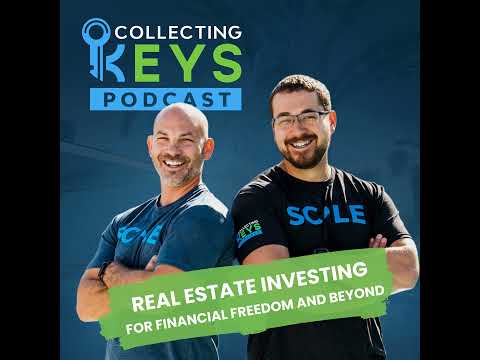 ▶ Watch this episode on YouTube
In this episode
For the 500th episode, Mike DeHaan, Dan Austin and Dylan Koch look back at nearly five years of the show and pick their most memorable deal, biggest win, biggest loss and how their definition of success has changed. Stories include a seller physically dragged out of a closing by a competing buyer, a Spokane duplex that nearly ended the partnership before becoming a top performer, and an eight-unit that has cost Dylan six figures out of pocket. The through-line is that hiring, taking your licks on bad partnerships, and building recurring income mattered more than chasing passive cash flow.
Key takeaways
- Mike and Dan's first acquisitions manager closed seven deals already in the pipeline in her first month, even though they couldn't afford her first month's salary — proof that hiring for the role you're bad at can change the business fast.
- The Spokane duplex they almost dumped mid-rehab (bought ~$172k, ~$90-100k rehab, later appraised over $400k) now nets about $1,000/month under a lease option — deciding not to sell was what let them survive later problems.
- Dylan passed on a ~$70k wholesale fee on an eight-unit and instead kept it; contractor theft, health department calls, code fights and a truck taking out the electric service have put him multiple six figures in from his own pocket. A low cost basis is the only thing saving it.
- Both Mike and Dan name a bad third partnership, not a bad deal, as their biggest loss — roughly ten months of lost energy and momentum, plus lawyer bills still arriving. Their rule now: don't partner with people in a worse financial position than you, and don't be the only one solving problems.
- Their view of success shifted from '$5,000/month passive income' to the ability to pull levers and create income on demand. Dan reframes the goal as recurring revenue rather than passive, and is done adding residential rentals absent a specific opportunity.
- Selling some properties to hold cash instead of pure equity was, per Mike, the biggest improvement to his mental health — stress and cortisol kill the creative problem-solving a business actually requires.
Show notes
Five hundred episodes. Zero missed releases since 2021. In this milestone episode, Mike, Dan, and Dylan go back to the beginning: the seller who got abducted from a closing, the Spokane duplex that nearly broke their partnership, the hire that changed everything, and the disaster deals still bleeding money today. Plus why they stopped chasing passive income, what actually built the business, and the mindset shift that reshaped how they define success. If you've been here since day one, this one's for you.
Sign up to join the FREE Scale Community! https://collectingkeys.com/ Want deeper breakdowns like this every week? Subscribe to the Collecting Keys newsletter! https://collectingkeys.com/newsletter/
Chapters
- 0:00 Introduction
- 0:13 Why episode 500 almost ended the show
- 9:32 The seller who got abducted from a closing
- 14:57 The disaster duplex that nearly broke them
- 20:48 Losing $500K in the bank in 30 days
- 22:41 The first hire that changed everything
- 26:42 One cold call that became 13 units
- 30:23 Why making $100K is easy and $1M is hard
- 32:21 Why the wrong partners cost them years
- 34:56 The 8-unit money pit still bleeding cash
- 38:49 The third partner that soured everything
- 44:35 Passive, massive, and recurring income
- 48:47 Why holding cash beats chasing returns
Frequently asked questions
Should you wholesale a hairy deal or keep it?
Dylan had the chance to wholesale an off-market eight-unit for about $70,000 and kept it instead; contractor theft, code issues and utility damage have put him multiple six figures in out of pocket. All three agreed he should have taken the fee and moved on, and that if your gut is warning you early, listen.
When should a real estate investor make their first hire?
Mike and Dan hired an acquisitions manager before they could even cover her first month's salary, and she closed seven deals from their existing pipeline in month one. Their framing: if sales is the bottleneck and you're bad at it, hire for sales; if sales is fine but you're buried, hire an admin.
Is passive income the right goal for a new investor?
The hosts argue no. Mike's old goal of $5,000/month in passive cash flow now looks trivial to him, and he'd rather have the skill to increase earnings on demand — 'massive income before passive income.' Dan says what he actually wanted was recurring revenue, which he found in the lending business.
Scaling a Real Estate BusinessDeal Case StudiesRentals & Cash Flow
Transcript
Read the full transcript
Mike DeHaan: [0:02] What's going on, guys? Welcome to collecting keys. I am your host, Mike DeHaan, here with my cohost, Dan Austin and Dylan Cook. This is episode 500 of this show. My original plan was to call this the end of collecting keys and, have kinda like a joke about how the show's ending and then relaunch with a new brand because we have moved away from real estate a little bit. But we all got busy. When you're running real businesses, that happens. And so, like, the hobby podcast, you know, just we just never got that together. We never spent any time to, like, think about it or put anything together. So instead, what we're gonna do is, I changed a little logo, finally added Dylan to it. So on your podcast feeds, you guys will see AI cropped in Dylan next to me and Dan, which is intentionally sort of looks janky because I feel like it's on brand.
Dylan Koch: [0:52] You should have had me wear the scale shirt, though. I still have one of those.
Mike DeHaan: [0:56] Do you have a picture with the scale shirt? I could take one. Yeah. I mean, if you wanna take one, I'll use that picture instead.
Dylan Koch: [1:01] That would
Mike DeHaan: [1:01] be better. Then you with this, like, corporate polo from fucking 2000 I
Dylan Koch: [1:05] will also cross my arms and tilt my upper body a
Mike DeHaan: [1:08] little bit. You should do, like, a
Dan Austin: [1:10] Yeah, dude.
Mike DeHaan: [1:11] Step stepbrothers. One of these.
Dylan Koch: [1:12] I'm not going to do that. Yes. Do something
Dan Austin: [1:16] do something fun, Dylan.
Mike DeHaan: [1:17] Come be on here for the next however long we do this. Yeah. But, yeah, it's hard to believe it's been 500 episodes.
Dylan Koch: [1:23] When did you start, Mike? When was episode one?
Mike DeHaan: [1:25] It was in October 2021. Wow. So almost five years ago, a good while ago. And, you know, we have so many episodes because for a long while, we did three a week. If you guys have been around for a bit, you'll know that it started with just Dan and I talking about stories from running our wholesaling business. That's really why we started the show was we wanna talk about what it was really like running a wholesale business because we were sick of a lot of these podcasts that would, like, glamorize it when we were out there dealing with crackheads and everything else. And we're like, we knew that we weren't the only ones that were going through the situation. And so we started the show, and then sure enough, our early listeners were people that resonated with that. We went into basically doing three a week where we had an interview, the Mike and Dan show, and then our Friday focus episode we did for a long time. One of my proudest achievements, I would say, in life even, like, terms of, like, commitment, we have never missed a release of this show since October 2021, which is pretty awesome. Shit that I mean,
Dan Austin: [2:21] we put ourselves through it
Mike DeHaan: [2:23] to do that. Some wild stuff. Especially when we were doing three a week. Like, there there was Cool. And and, like, all the travels and stuff, there was times where Dan and I would record, like, five or six podcasts a day so that we could, like, get ahead when I was traveling. And I remember one of the the Friday focuses in particular, the one that I prerecorded had issues. And so I had to record a new episode, like, on my phone sitting in the corner of, like, this rural ass desert in Namibia in Southern Africa. And I it was like the most shit episode, but hey, it checked the box. I don't have a fond memory
Dan Austin: [2:54] of those times of having you through. We that was we were like full time podcasters. Like, that was so hard.
Mike DeHaan: [2:59] We were. But that was like the grind. Right? Because that's when we were sort of leaning into the growth phase. You know what? And that's also why not unironically our listenership peaked in that period of time because we were doing the social media. We're doing those episodes. We're doing all the guest appearances, everything else. You know, that was when we started scale. That was when we had several different things go kind of semi viral. Like, we we got Jamil kicked off of BiggerPockets when we exposed all of his mortgage fraud. Right? We had that one with Pace, that YouTube video that went pretty big where all of his, like, in self followers were sending us, like, threats on YouTube and were tracking us down and letting us know that they think that we're, like, weird virgins that live in our mom's basement that have never made money in our lives for
Dan Austin: [3:42] some reason. 100% of us.
Mike DeHaan: [3:44] Which is also how you know that someone's a pretty crooked leader when that's all of their followers' instant reaction is to, like, turn to violence and threats for some reason. I mean, we had all that stuff. We brought Dylan on the show, which, in my opinion, has been one of the greater additions that we've added because then me and Dan don't just sit there and have inside jokes and conversations nobody understands for an hour.
Dylan Koch: [4:05] Talking, I looked it up. I came my first episode that I did like, you guys interviewed me was 03/25, which was in 06/26/2024. Oh, nice.
Dan Austin: [4:14] When was the first episode we decided to bring you on?
Dylan Koch: [4:16] That's I was trying to figure that next, but I'm having trouble finding it.
Dan Austin: [4:19] Like four ninety nine. We're like five. Wore us down.
Mike DeHaan: [4:24] Yeah. But we did a ton, you know. And then like with all the interviews, we went through all kinds of different people. Like, one of my my more favorite memories of a lot of that because there's a lot of, like, smaller name people. But we had this one guest that came on, and we'd have a lot of military folks. Especially, I feel like that early twenty twenties periods, there was, like, I don't know what's going on. There's a lot of military in real estate. It was like a brand heavy thing. We had this dude came on that claimed he was an army ranger. And I had the incredibly awkward experience of sitting on, like, our preshow while Dan was trying to talk to this dude about army ranger stuff. And the dude was, like, fumbling over his words, not really knowing how to answer Dan's questions. And we got to the end of the show, Dan's like, that guy didn't do shit. He's such a liar. There's no way he was a ranger. And I opted not to air that episode because I didn't want, like, to promote his stolen valor because this whole thing was about how his ranger training made him better at real estate.
Dan Austin: [5:17] So Yeah.
Mike DeHaan: [5:18] That was funny for me. I like that one. That but yeah. We had a lot of good stuff. It's been it's been fun. You know? And I appreciate everyone that stuck around with us through a lot of the changes and ups and downs. You know? And every now and then, we do get little spikes of growth, which is great. The show's been mostly flat listener wise for the past couple years. But every now and then, we blast Brandon Turner and have a show that goes like mega big. It's unfortunate that that's that that's what it takes in modern times to get a lot of traction. Think that's why, you know, professional influencers, they really focus on negativity with a lot of their stuff because that is honestly what people want. Because the other thing that gets a lot of promotion is sex appeal, and none of us have that. So, you know, it's it's just we gotta take what we can get, which is talking shit. But, anyway, it's been been a great run. And we're gonna keep it going. I mean, like, I would say, just to round that off, the biggest benefit at this point that we have with the show I mean, obviously, we got a lot of listeners, which is great. It is generally a fun thing. I like to have a good excuse to chat with Dylan even though I I chat with Dan all the time, so I don't even need stop with him.
Mike DeHaan: [6:19] But, when you do something like this and you tell people that you have a podcast, like, a professional setting, everyone's first reaction is super dismissive because everyone and their mom has a fucking podcast. I get so much fulfillment when I sit there and I watch them on their phone, pull up our podcast and they go, holy shit. You have 500 episodes. Right? And even though they don't know that, like, our listenership is relatively small, the fact that you've committed to doing something 500 times shows a level of commitment that immediately elevates you on a professional level. Doesn't even matter what the outcome is or what you get from it on a daily basis. And, no, the thing is not profitable anymore. You know, we had our scale community we ran for a while where we did turn a profit. But now Dan and I, we pay monthly for our producer and everything else to do this show. But, yeah, like, that gives you a ton of credibility.
Dan Austin: [7:08] I think that being said, we should we should bring on our first sponsor. God. Who should we bring on?
Mike DeHaan: [7:13] Why? Like like, sell our souls?
Dylan Koch: [7:15] SLA Capital is the is the sponsor.
Mike DeHaan: [7:17] Technically. SLA Capital. Yeah. It is.
Dylan Koch: [7:19] It funds everything. Yeah. Technically. Yeah.
Mike DeHaan: [7:22] We did run like SLA Capital ad for like a little while. Don't know if we still do or not. Our producer would know that.
Dan Austin: [7:26] I want like a good sponsor though.
Mike DeHaan: [7:28] Like, that's one of those things that's like, it's not worth selling our soul for like, what, $500 a month.
Dan Austin: [7:33] No. No. We need like a real sponsor. We need like 5 to $10 a month. I want somebody that's really putting
Mike DeHaan: [7:38] We need about 10 times more listeners to have even the most minimal sponsor. That stuff like
Dylan Koch: [7:44] that's tough.
Dan Austin: [7:44] We're gonna think
Mike DeHaan: [7:45] on this. Yeah. Anyone wants to sponsor the show, hit me up at mike underscore invest on Instagram. And you will get to have your brand tied to three white dudes who say semi questionable things on the internet once a week.
Dan Austin: [7:58] Yeah. And it'll be there forever.
Mike DeHaan: [8:00] It'll be there forever. You know? And I I just think too about having this show. I still I will have people hit me up, and they'll be like, what did you mean about this? I'm like, when the fuck did I say that? That could have been three years ago.
Dan Austin: [8:11] In ghost, dude. I say stuff sometimes I don't agree with the following week.
Dylan Koch: [8:15] Yeah. Totally. True. All the time. And that's business. And we'll get into that too. What's you know, what's what would do we believe in the past? What do we believe in now that everything changes all the time.
Dan Austin: [8:25] Changes. It's evolution, man.
Mike DeHaan: [8:26] For sure. Yeah. So for today, what I wanted to do is we were gonna do a little, I don't wanna say, like, a recap of the last 500 episodes or just, like, more of going back to that period of time when we started the show versus now highlighting a couple of different things. And so what we're each gonna do is we're each gonna go through a dealer story that we'll always remember. We're gonna share our biggest win in business with show, whatever that is, our biggest loss, and then how our view of success has changed versus now. So how we'll do this is we will base start with the first question. We'll each go around. We'll go to the next one, the next one, and we'll see if we can get this done in reasonable amount of time. Sound good, everybody? Let's do it. Perfect. Sure.
Dan Austin: [9:11] Let's go.
Mike DeHaan: [9:11] Alright. Cool. So looking back since October '21, dealer story, we will always remember. I don't know. Like, we have a handful of them. I felt like we had a period of time, Dan, where a lot of them were super, super crazy. The one that I will always remember is, like, a good story that I will repeatedly tell. It's actually one of our early episodes. I wanna say it's, like, episode 10 or 11, was when we had that seller that got abducted from closing. You know, I would say that this was actually, like, the spirit of the show for, like, a long time. And so the short version of that story is there was, like, a mobile home with a very challenging seller. There were squatters that lived in the property, and they had kind of gotten buddy buddy with the seller because they would dish each other drugs, whatever they were doing. Essentially, the squatters found out he was selling the property. He was talking to another investor that had gotten friendly with the squatters. Basically, we were going to buy the property. The mobile notary was meeting with the seller in this shitty mobile home. The other buyer that we were competing with had been alerted by the squatters of what was happening. He decided to show up in his truck, kick in the door, drag the seller out of the house, put him in the truck, and just drive off into the day, like, wherever they went. All of this while our newest employee was on his first day at work, making sure that the seller went through with the closing, was sober, didn't have any other issues that were going on. And he's calling me being like, I don't know what to do.
Mike DeHaan: [10:41] This guy just came and took Jeff. And I called around to the different title companies. Because I guess, like, this guy said that he was buying the house. That's what he said as he was leaving. I called him to see if I if anyone had an open file. I found the attorney that did, local attorney that doesn't have the best reputation, but he will do creative stuff. And, told him what happened. He's like, okay. Thanks for letting me know. A week later, he fucking closed out the deal with this other buyer and completely screwed us. And we had, like, signed docs. We had a buyer with money in. Everything was done. All he had to do was sign this deal.
Dan Austin: [11:15] In hindsight, don't you think he was also probably connected to the lender?
Mike DeHaan: [11:19] 100% he was. Of course.
Dan Austin: [11:21] Yeah. Exactly. So it's like, of course, he's incentivized if you're gonna go Yes. Yeah. Yeah.
Mike DeHaan: [11:25] He's not gonna, like, not close because he wasn't gonna get paid if we did it because we were doing it through our own title company. Right. So that was a a huge story that, like, it's just so crazy that it happened. There were so many lessons that was learned from that, particularly around how nasty that the industry can be. You know, we had a handful of other ones that were pretty nuts, but that's always the one that just, like I don't know. I don't know too many other people that have had a seller literally get abducted from a closing. That's a that's a wild one. But alright, Dylan. What do you got?
Dylan Koch: [11:52] Your story reminded me of Nolan's. I'm gonna share two. One will be quick. The first one was it's one of the first deals we did where we bought a house sight unseen for, like, super cheap, like, grand. And then we had to do the eviction afterwards. And they brought out a literal pig, like, out of the house. Like and the one of the rooms had, like, six inches of pig shit in it. Like, it was disgusting.
Mike DeHaan: [12:13] That's another one. Like, another good flashback to the show is we we know through a period we made those animated shorts. And we have one on our YouTube. Forgot about those. Yeah. Yeah. We have one on our YouTube of your pig house of them. Yeah. I had these these crazy guys from Belarus that were super crass. We're making us these these animations. We did six of those.
Dan Austin: [12:33] Some odd.
Dylan Koch: [12:34] Yeah. That was like the big I'm like, eye opener. Holy shit. People live
Mike DeHaan: [12:38] this way.
Dylan Koch: [12:38] But the the one I originally was gonna mention, again, near the early part of the journey was we did a a full on bird deal, like perfect deal, where we got paid $20,000 at closing to own a cash flowing property. And I was so new at the time that it turned the theory of it that I read in a book to reality. And then that was like that was the click. I was like, okay. This this can be done. Let's do a lot more of this. And that's the one that I think sticks with me.
Mike DeHaan: [13:05] Nice. Yeah. That's a great one. Good reinforcement. Dan's down there smirking. What are you looking at? I'm just looking at memes of midgets.
Dan Austin: [13:12] I'm just thinking about those cartoons in that pig one. What was the other one of the other ones that we did, the cartoons? I can't remember the other one that was pretty popular.
Mike DeHaan: [13:20] Was it Aaron
Dan Austin: [13:21] was it Aaron Beale? It was one of his.
Mike DeHaan: [13:23] I think Aaron Beale had a pretty we had a few that did really well. We had other ones that didn't do that well. But it was always like a crapshoot.
Dan Austin: [13:29] I mean, they're all awesome, but it's just whether people actually got to see them because the Internet suppresses awesome things.
Mike DeHaan: [13:34] Yeah. And and the thing is is like most real estate investors are fucking squares.
Dylan Koch: [13:37] They don't
Dan Austin: [13:38] have a really
Mike DeHaan: [13:38] That's true. You know, the brave sense of humor like I do. So Yeah.
Dan Austin: [13:41] It's true.
Mike DeHaan: [13:42] They're too busy, like, you know, doing whatever else they're doing.
Dylan Koch: [13:45] We Excel spreadsheets. Excel spreadsheets.
Mike DeHaan: [13:47] Excel spreadsheets. Yes. You know, going to figure out how to embezzle money from the rich people at the old country club. All the all the You
Dan Austin: [13:54] You can know, call it owning a business.
Dylan Koch: [13:56] Yeah. Exactly.
Mike DeHaan: [13:58] What's your one, Dan?
Dan Austin: [13:59] Craziest deal. I don't know that this is the craziest deal, but this is probably the
Mike DeHaan: [14:03] Doesn't need to be your craziest. It's one that you'll always remember.
Dan Austin: [14:06] One that I always remember because I think it, especially now. I'm gonna do a little preamble here. Especially now, as I look through all of our borrowers' files and I look at them, I'm like, why aren't you just doing more effort? Why aren't you putting more effort into getting your shit closed? It'll be like, oh, the title company says this and we have to solve the problem for for the buyer. Like, It isn't my agent won't do this. It's like, okay. Like, why is the borrower not fucking walking down to the house and knocking on the door and telling the seller to let you know, the shit that Mike and I did. Right? Mhmm. And I think that story with the kidnapping is a good example of that stuff. I mean, we literally had the neighbor involved with a mobile notary at the neighbor's house and had somebody go there to show up to make sure he was sober enough to sign. Like all these things that we coordinated and obviously the deal doesn't still go through, but. And so the deal that like sticks with me is I think it's the first deal Mike and I did. We bought it from a wholesaler was sixth Ave. And that thing was something that I think would break most people, most partnerships, because we bought this thing, honestly, in the, probably the shittiest part of Spokane.
Mike DeHaan: [15:20] Pretty close. On a busy street, horrible house. Yeah. The
Dan Austin: [15:24] street has a, has a freeway exit, right? So it's a, that it's on. Like it's a busy street, terrible, terrible duplex that was like a 100 year old house with like a 1970s addition that made it a duplex. We bought it. I walk in there and I think I was traveling. So Mike's like, yeah, we got an inspection, I think, or something like that. It's good. It's good to buy. And I get back from whatever trip and I'm like, thing is so piece
Mike DeHaan: [15:50] of We got a professional inspection, Dan. Like We a full inspection.
Dylan Koch: [15:53] They
Mike DeHaan: [15:53] were using like all the guts in
Dylan Koch: [15:55] the house.
Dan Austin: [15:56] So we get we buy this thing and I'm walking into it and there's a there's like a Mexican family living in there with multi generational living. Right? And it's it's gross. Very, very small kitchen with grease all over the walls from the mom cooking, like, traditional Mexican food with grease and, like, lard. And there was a disabled young lady there that would, like, when they flush the toilet upstairs, it would, like, leak toilet water on her face and she couldn't move.
Mike DeHaan: [16:23] Oh my God. Seriously,
Dan Austin: [16:25] like in
Mike DeHaan: [16:25] her bed. It would just leak on her bed.
Dan Austin: [16:27] Yeah. They just, as a family, just agreed to not use that toilet. Like, was gross, dude. And there's just so many things wrong with this thing. We go to the basement where they had been butchering chickens and it was like a dirt floor basement. It was all like dark and the stairs, the stairs were so rickety, like to get down to this basement. And like, we had to tell them like, can't have chickens in here anymore. And they're like, okay. It's like just weird shit like that. There's just like so much stuff wrong with it. And just walking in there and just the shock of like, okay, I own this now. Right? It's like this
Mike DeHaan: [16:56] This was also during COVID, like early COVID.
Dan Austin: [17:00] It's like
Mike DeHaan: [17:00] So everything was kinda weird. This is like April 2022.
Dylan Koch: [17:03] Yeah. Yeah.
Dan Austin: [17:04] Yeah. Everything was weird. The buyer we or the seller we bought it from, the actual seller was not like a great landlord. He's a slumlord, you know, kind of
Mike DeHaan: [17:11] Well, piece of crap if that was the thing that was crazy is in this duplex. So on the ones you're talking about, there was this Hispanic family that was living in absolute squalor. And it wasn't just that they were kinda dirty people. Like, the windows had draft. That roof was, like, falling down. There was all these leaks. And then there was the white family on the other side whose side was honestly mostly remodeled. It was kinda crazy.
Dan Austin: [17:33] Was like decent. It wasn't nice like they smoked it, but like it was taken care of. Right? Yeah. But anyways, like, yeah, we paid like Pedro. I think it was it was his no. Jose Pedro. Yeah. Can't remember the little boy's name. There's Jose. Jose. We'd pay him like $10, like to just clean shit up and, like, just, you know, just give the family some money. Jokes on us because they had a pile of cash they went and bought their own house with.
Mike DeHaan: [17:54] I know. Well, that's the thing that's so funny is we put all this money into, like, making it, like, livable and, like, less gross. And they were like, that's great. Thank you so much. And then they moved out. They bought some house cash and went to some other house. And we ended up with this place that was so wrecked that we basically just had to take it down to the studs and remodel the entire thing.
Dan Austin: [18:12] So bad. And so I guess I'll speed this up. So there's so many things that went on with that. Obviously the shock of buying such a piece of crap, because I had owned a couple properties before that that were not that bad, right? They're nicer rentals. And so just understanding that. But we had this budget go, like, don't even know where we got the money from to remodel this thing. We didn't have the money, but we figured it out.
Mike DeHaan: [18:34] It's from a private investor, private lender.
Dan Austin: [18:36] Oh, that's right. We had our private lender to buy it. Okay. So yeah, we did all that. And then our contractor was dragging his feet, dragging his ass. It was the first deal Mike and I had ever really remodeled together. And it got to the point to where the contractor got another job across the street. And so I would show up and be like, where's he at? And then he would be at the other house. Like I didn't see him there working on that house instead of our house. Like so many things. And then like we had the fence issue where we've told the story in the podcast where Mike told him to remodel the fence or fix the fence. The guy built a brand new fence, like a cedar That was like $5, $8. And then that same day we were looking at it and the roof looks like a piece of crap and the remodel the house still looks like crap. And we just found out we had to do like a ten or eleven thousand dollars furnace. It's like, oh my God, dude. And we're making no money on this thing. No money anywhere really. And just kind of sucked. It just kind of sucked. And we were just standing there like, should we sell this thing? And while we could, should we like just sell it right now and walk away? Could we just stop spending money and sell it? And I think the decision to not do that is really what like catapulted us because we figured out after all that was said and done, that's we still own that property. It's one of our most high performing year over year properties.
Dan Austin: [19:48] Are you still on it
Dylan Koch: [19:49] to this day? Mhmm. Yeah. Oh, wow.
Mike DeHaan: [19:51] Okay. It's the definition of being saved by the market. Like when we refinanced at last, it appraised at over 400. We bought it for 170. We were into the rehab, like close to $90.90, 100 maybe.
Dylan Koch: [20:02] Yeah. Those numbers are great now. Yeah.
Dan Austin: [20:04] Yeah. Well, and, and then we bought it for like 172. And the thing that about it is, is that we were netting a thousand bucks a month on that thing after, I mean, truly a thousand. And then we did a owner finance deal, of like a
Mike DeHaan: [20:18] What's a lease option? Lease option, sorry,
Dan Austin: [20:21] to the one of the tenants. And so we still cash flow a thousand dollars a month. We're still getting debt pay down and we do nothing on it. And he's supposed to execute that by this October and I don't think he's going to.
Mike DeHaan: [20:31] No, he's gonna keep it going.
Dan Austin: [20:33] I don't know how he's going to. So we'll just keep it going. Dollars 1,000 a month, every single month. We're still getting the debt paid down. We, you know, we still get the tax benefits, all that stuff. So it's like a great performing property. And just to be able to survive that. I think every situation Mike and I, because we've ran into some weird situations, including the year where at the end of the year, we're like, I think it was like $500 we had to come up with in like thirty days that we did not have. Mhmm. Like just so many things went bad all at the same time. We're like, we got, okay, we gotta figure this out. And I think every problem after that we faced as partners, as investors have been like, okay, we'll just figure it out.
Dylan Koch: [21:06] Has felt like child's play. Yeah. Right.
Mike DeHaan: [21:08] Yeah. Yeah. Well, yeah, we had that sub two get called. That's what you're talking about. That was I think it was almost $800,000 we had to come up with in thirty days.
Dan Austin: [21:15] No. I'm talking about the other time we had that happen. Remember when we didn't get the, we didn't get the refi on Glen that we were supposed to pull out like a $100? Oh. Or we didn't sell it. The, the sale fell through.
Mike DeHaan: [21:25] And that's when First Citizens called our line of credit.
Dan Austin: [21:28] First Citizens called a $100 line of credit,
Dylan Koch: [21:30] then we had to pay
Dan Austin: [21:31] our private investor back over $200,000. He wanted his money back. We had been kind of floating it for a bit. And, like, all these things stacked up where we had $500,000 in the bank to not having $500,000 in the bank. Right? Like, it was just a crazy thirty day period.
Dylan Koch: [21:45] That was great.
Mike DeHaan: [21:45] We've been through it. And to Dan's point, this is what's always really crazy about, like, the lending business now. You have so many entitled borrowers. You don't do fuck all. They'll be like, oh, man. I I gotta go, like, get a PSA addendum signed. I guess I'm just not gonna buy this house anymore. Yeah. Like, honestly. Dude, all the time. It drives me crazy. Because, like, we also like, we make money on those too. And we have these Yeah. Borrowers that don't move forward because they're just, like, inconvenienced. I'm like, oh, you guys are This is why we're way way richer than you fucking idiots. Like, honestly, we put in the time.
Dan Austin: [22:15] Because we put in work, dude. We put in so much work, dude.
Mike DeHaan: [22:19] We made it work. God.
Dan Austin: [22:20] It was not easy.
Mike DeHaan: [22:21] Yeah. So anyways. Alright. That was that was a one, though, Dan. That's a that's a really, really good one. Alright. So what felt like biggest win with the last little bit? And so for me, if I look in the rearview mirror, it wasn't necessarily like a a particular deal. But when you guys have listened to show. You've heard us talk about this particular period of time a lot. But when Dan and I hired our first acquisitions manager for our wholesaling company because we realized that we sucked at sales, and, I'd just gone to a a in person mastermind. We were in Ryan Dossi's group. And, basically, he's like, you, like, need to hire somebody to fill that spot. So that's what we did. And we hired this person. We took a a limb. We didn't even have enough money to pay her first month's salary. So we're like, she better figure out how to close some deals. And in that first month, she closed seven deals that were already in our existing pipeline. And we made so much money that my view on just like business and money changed forever, like, literally in, like, a one month period. And then over the next, I would say, six months before I ended up having to fire her because she tried to, get a job at, like, one of our competitors and then hold that over my head to, like, make more.
Dan Austin: [23:32] Yeah. Jokes on her. Mike isn't cool with that.
Mike DeHaan: [23:34] Yeah. I'm not cool with that.
Dylan Koch: [23:35] I just fired you. I don't care.
Mike DeHaan: [23:36] But that six month period of time, I would say, is, like, probably the biggest win where we were just, like, growing aggressively and learning so much. And I really realized what owning a business was like as opposed to being, like, a solopreneur having to make my own money because our revenue was going through the roof and none of it was fully due to us being directly involved. Right? Even though we had a really small team at that point.
Dan Austin: [23:59] You know? Yeah. That was a interesting time too. And I I don't know if you've gone through this, Dylan, as you've done hiring. But it's like you go back to that, like, we literally didn't have enough money. So we weren't in like a great spot to like hire somebody. Like you would say, oh, grind it out. Well, we were grinding it out. Like, we were trying to figure it out. We just weren't good enough at it. So doing that was was a huge step. But like going back to like the idea of when you're hiring a person, I kind of look at it this way. You've got like two options in this specific business, but more so in any sales business is like you can hire somebody to handle all the back office shit, like an admin, which is actually probably easier to hire for so that you can go out. Like if your bottleneck is like doing the sales, like you just need more time to do more sales, get out and do the sales. Especially when you're like a small business owner, most of us are. But if you suck at the sales piece, like Mike and I did, it's not that we didn't suck. It's like, we just weren't able to get enough deals through the pipeline to do what we wanted to do candidly. Right. We wanted to go bigger and do more. And we weren't, we both weren't doing a good job at it because we were both kind of doing it.
Dan Austin: [24:59] And so bringing her in and putting her in full time completely catapulted us and then let us each do our own respective zone of expertise on the back end of the business. And that's where it was able to take off. Like, it's, it's hard for people to understand that because sometimes you're like, well, I don't wanna hire somebody because I don't wanna spend the money. Like I need every penny I have. That might be true. But if you're like us, we didn't have any pennies anyways. So what were we gonna lose? Right? Exactly. But the other piece is, is do you have the ability and the time to like bring that person in and, and like actually make them successful? And, you know, that's hard for a lot of people.
Mike DeHaan: [25:30] It is hard. And like a lot of employees talk, we lucked out with somebody that actually was pretty decent at it.
Dan Austin: [25:35] Was this at least a good comp like, person? Like, I wouldn't say she was, like, great at sales, but she was just good at talking and showing up.
Mike DeHaan: [25:41] Yeah. And and that kind of sales, that period of time, that was what you needed. This was also, you know, late twenty twenty where every single borrower borrower, every single seller hadn't talked to a wholesaler already. And they really just like needed somebody that they could empathize with them.
Dylan Koch: [25:56] Yes. Yeah.
Mike DeHaan: [25:56] Exactly. And and she was the perfect person for that period of time.
Dylan Koch: [25:59] But I remember the first time I was at the gym, and this is the first deal my new AM got that I didn't get myself. And I was like, I'm at the gym and gonna make money. Like, that was that was a light bulb one too, for sure.
Mike DeHaan: [26:12] Yeah. You know
Dan Austin: [26:13] the other pieces too is like the level beyond that is when deals become widgets to you. And you're like, okay, like, yeah, I know I did dispo for a while on our stuff. It's like, okay, what's the I have to like learn about this deal because I wasn't involved in it. Like, okay, now this is a widget that I have to apply the widget techniques to and just do that part of it. Right.
Mike DeHaan: [26:30] Yeah. That's huge. But mister Stone?
Dylan Koch: [26:33] Biggest I'm gonna actually choose a transactional one. I had one rental unit in the beginning of twenty twenty two. That was when I first, like, doing this full time. And then I pitched a random cold call to a four unit building. And the guy was in his mid seventies, him and his wife. They own two four units side by side and two duplexes side by side in great parts of town. Long story short is we ended up agreeing to a seller finance deal that took me from one unit to 13. All so we bought all 12. And he carried the debt at 3% interest on a thirty year end with a ten year balloon. And to this day, those are the best property, most equity, most cash flow, but best everything. And I have seven more years left on that loan.
Mike DeHaan: [27:16] Nice. That's awesome.
Dylan Koch: [27:17] And then we made a lot of money that year. And because of that purchase, we didn't pay any taxes that year either. So like, it was the trifecta where I was like, need to do more of these. And then I learned quickly that those are very few and far between.
Mike DeHaan: [27:29] Yeah. That's a unicorn deal for sure.
Dylan Koch: [27:31] Yeah. Exactly.
Dan Austin: [27:32] It's funny how a lot of those unicorn deals do happen seemingly in your early part of your career when you don't even know how to respect
Dylan Koch: [27:38] Like, I don't even know if would have offered what I offered then today because of how unrealistic it was.
Mike DeHaan: [27:43] That's probably why they happen less and less is because of that. Right? Like, you make offers that I would say less risky or less ignorant. Yeah. You know?
Dylan Koch: [27:53] Yeah. I was surprised I they even went with it, but Yeah.
Mike DeHaan: [27:56] They did. But, like, I mean, if I look at Dan and I's biggest ever assignment fee, I didn't even know anything about what it was worth. There's a piece of land, and I just told our AM to offer $1.50. Well, I think it was I think was 200. I had no idea what it was worth.
Dan Austin: [28:09] I remember that phone call when we're all on, like, talking about that one. It's like, I don't know. Like, we're, like, looking at it. You're just like, offer this. Like, he's whatever. Just make this thing go away.
Mike DeHaan: [28:17] Yeah. And then and then the dude accepted it and then made it up also listing for a $100.
Dan Austin: [28:21] Even then, we weren't thinking that offer. You're like, maybe we'll make 20?
Mike DeHaan: [28:24] I know. Yeah. But but, like, looking forward, as we got further into it, I probably would've just passed on it. I wouldn't even have spent the time.
Dylan Koch: [28:31] Right.
Mike DeHaan: [28:31] What about you, Dan? Biggest win?
Dan Austin: [28:34] Biggest win, I go back to that same time frame as Coza or as, as sixth and go to our Coza property, which I still I just got a freaking voice mail from the from the neighbors on that one today.
Mike DeHaan: [28:46] So this is gonna be your win, is that property?
Dan Austin: [28:48] Yeah. Is that property. It has nothing to do with that property. It has nothing to with that property. It's when we were standing there.
Mike DeHaan: [28:53] Yeah.
Dan Austin: [28:53] And we wholesaled our first deal. Mike and I, the same time frame, we had bought this other property that we still rent out today. Like, I'm just so afraid of like, I don't even go to that property. I'm like, I don't even wanna know what's going on there just because of the people we have living there. But we were standing, and Mike and I told this story on the podcast, we were standing there. We negotiated our first wholesale deal to make like $7,500. Yep. And high fived. We're like, hell yeah, dude. Because up to that point, all we had ever done is lose money. Mhmm. And up to that point in my life, all I'd ever done was like investing. Right? Like you're investing in your, like, very future and forward looking. And I didn't know at all that it was possible to, like, make an income outside of a w two.
Mike DeHaan: [29:32] At that point too, dollars 7,000. Was like, that's so much. Oh, yeah. It like blew my mind. I was like, that's what I make in like a month. You know? That like, that's a significant
Dan Austin: [29:43] Honestly, it was a significant like, it was a good deal. And for me it wasn't even like, oh, I've finally made it. Like I didn't have that mindset. I probably didn't like fully soak it in. But I think the idea that you can actually make money, like I don't come from a line of entrepreneurs. Right? You know, Mike had already quit his W-two. So you were already kind of like trying to figure it out. What does it say? You're like, you're surviving at least. You're making money outside of the head. Maybe figured out that you won't die if you didn't have a paycheck. Right? And so just that idea of being able to create your own wealth. And now, like, as I go forward in life and I even talk to other people, I'm like, you know you can make your own money. Like, you can in a billion different ways. And I always tell people, it's really quite easy to make a $100,000
Mike DeHaan: [30:29] doing anything. Mhmm.
Dan Austin: [30:30] You know, it's it's actually kinda hard to get a company to pay you $100 even Like a like a w two salary. There I'm thinking about all the people that go have jobs and do are incredible at their job and show up every day, work hard, and they make $83 a year or 95,000. And they're smart, maybe even college educated, all that sort of stuff. That same person could go and flip houses, wholesale deals, build decks, or a blue collar job on the side hustle, do something, and you could go make $100. It's incredibly hard, incredibly hard to make
Mike DeHaan: [31:02] a million dollars in a single year. It is. Like, personal income.
Dan Austin: [31:05] Personal income. Personal income. That's
Mike DeHaan: [31:07] very challenging. Yeah.
Dan Austin: [31:07] That's hard. I mean, there's companies that do $10,000,000 in revenue and the owners don't do a million a year. Right?
Mike DeHaan: [31:14] Mhmm.
Dan Austin: [31:14] It gets super hard. But a $100 is really quite easy. And so but that all started from that, like, first moment of making money on something that wasn't an investment, right? Where you're investing in somebody else's skills and it wasn't like working for somebody, was just doing it ourselves, like creating it all and doing it all ourselves. Like that to me was like a pretty big win in life that I carry forward as a mindset now.
Mike DeHaan: [31:39] Yeah. Totally. I I always remember that too. I always think of the, the anchorman bit where they like jump and kick their feet up and high fives. That was that was basically us in that front yard.
Dylan Koch: [31:48] That was it, dude.
Dan Austin: [31:49] Yeah. It's not an exciting story, but it is mindset shift. The first time you were able to do that because, I mean, I don't know what your guys' perspective on this is, but what do think 99% of people in America don't understand that? Even though like we live in Yeah, the land of
Mike DeHaan: [32:02] for sure.
Dan Austin: [32:02] They don't get it. When you go talk to people, like, they don't understand it.
Mike DeHaan: [32:07] No. And people always think of things from like an hourly earnings mindset. Right? Like, they'll look at dollars per hour, what they can charge for specific tasks. Yeah. That's a great one. Alright. Next one is what felt like the biggest loss. And for me, this is actually somewhat recent. So if I look back at, like, kind of the big picture, Dan and I, we had a couple decent losses on a few deals. We only really lost on, like, three properties. One was significant, but quite financially. But the biggest loss overall was honestly the end of twenty four after, Dan and I decided to shut down a bunch of different things that we had been working on. So you guys might remember, like, collecting keys at this period of time, but I just come back from, like, a Hermosy conference, like, third one that I went to. And we Dan and I at that point of time where we had our partnership program running. We were trying to finance backyard homebuyers. We're doing all this different stuff. And after going to that conference, our our guy that working I was with on her Moses team was basically like, this business model is kinda stupid. Like, you should just not do this. And I took that very seriously because he had a lot of numbers and metrics and reasoning behind it.
Mike DeHaan: [33:09] And so we came back and decided to shut it down. And so what we had basically been working on from that point since like the middle of twenty two, building up this partnership thing. We had the scale program that we decided basically to stop promoting and stop trying to recruit for. That was slightly different. That was mostly because we realized that in order to make money as like a mastermind community, you kinda have to show bullshit to people that are going to fail if you want to be profitable, and we didn't wanna do that. So we just kept it as, like, our small little social group. We brought our back in home buyers back local. We brought on some partners that I think Dan and I both intrinsically knew were not gonna be a long term fit, but we were basically trying to leverage what we thought was going to be their need to make money, to basically make money for us because they were in a much worse financial state than us. A lot of lessons from that about how you should not go into business with people that are in a worse financial state than you. But a bunch of different things happened in a very short period of time that I would say left Dan and I a little bit, I don't know, uncertain about where to go next.
Mike DeHaan: [34:11] And for honestly a big part of 2025, that same thing continued. And we were leaning into our lending business and to sort of lend a lot at that point, primarily because it was directly in front of us. And, ultimately, we were able to to grow that. It's something that's starting to become very significant. But that period of time, I would say from, like, I don't know, was October, November 2024 to kinda like early twenty twenty five is, like, what I would say it feels like my biggest loss. I just really didn't know what the next options were. You know? And it felt like the previous few years of things that we had done was a waste. When in reality, it was just when I learned all of my lessons. That's when you learn your lessons in business when stuff gets hard.
Dylan Koch: [34:51] Oh, that's good.
Mike DeHaan: [34:52] Right. You, Dylan. I know you wrote yours down here. I'm so excited to be validated.
Dylan Koch: [34:55] Yes. Yeah.
Dan Austin: [34:56] Told you so.
Dylan Koch: [34:59] So in in 2024, I had an opportunity to buy an off market eight unit from a wholesaler. And I even talked about on the show, like, what would you guys do type of situation? And I could have made around probably $70 just wholesaling it, get rid of it, never never run. Long story short is I still own this property today. I'm still on hard money. And I this is where I
Mike DeHaan: [35:18] contract on hard money on that thing
Dylan Koch: [35:20] money. Jesus.
Dan Austin: [35:21] Unless there do you need a refi
Mike DeHaan: [35:22] on it? I think it's mixed use.
Dylan Koch: [35:23] I will eventually, but you guys won't even touch it until it's completed. So anyways, a contractor ran away with a bunch of my money. There's been so many problems. I had the health department call from a tenant. They had accusations of lead in the paint. The next door neighbor's a bar owner who doesn't like, tows contractors' cars. Like, it's been a freaking nightmare. A Budweiser truck ran into a telephone pole that ripped the wiring out of our own electric box.
Mike DeHaan: [35:49] Nice.
Dylan Koch: [35:49] Oh my gosh. So, dude, like, so so many things have gone wrong with this place. And I will still fighting with city inspectors to get some of this this code stuff passed that we're doing. All said and done, like I will be multi 6 figures into this deal out of my own pocket. And so definitely the biggest loss caveat that with the saying of buying at such a good cost basis is the only thing that's gonna save me. Because even when I go to refi this, I should still be pull like, I won't be made whole, but I'll still be able pull some cash back out and replenish some of that.
Dan Austin: [36:19] So At least so you yeah. Your your cost basis is gonna still be positive ish. Just not where you want it to be.
Dylan Koch: [36:26] Yeah. I mean but even if you look from a cash on cash perspective of what a cash flow per year versus the money that I have in, it'll still be a decent return. But, man, like, has caused more mental strain and honestly, like, liquidity strain because I'm self funding a lot of this than I rather would have.
Dan Austin: [36:42] Yeah. Well, and the missed opportunity.
Dylan Koch: [36:44] So, yeah, you guys were right. You should have taken the 70 k and fucking ran. Yeah. You should
Dan Austin: [36:48] have. You should have. It's those hairy deals, man. They're the gift that keeps on giving. I mean, we see that still today in the lending business where we waste a ton of time and you should know from the beginning, your spidey senses are on your back are kind of like tingling and you're like, nah, that's not a big deal. And two years later, you find out, you're like, well, those that was that was a big deal. Yeah.
Mike DeHaan: [37:08] Yeah. Or even like you get the like, with the lending company now, you get the closing. And you find it like, oh, this person's a sex trafficker? That would have been good to know earlier instead of the day before closing, and now we can't do this deal anymore. The borrower we
Dan Austin: [37:21] were talking about today in our kickoff was like a borrower that had like some like stuff pop on their background. And our process was asking them. They're like, I don't know. I think that may I forgot what happened there. There's maybe my friend my friend's drugs in the car and a gun. Like, what? You forgot? You forgot? We had a borrower
Mike DeHaan: [37:39] that wrote a letter of explanation that was like, that story that's on my credit report about how a woman got shot in the stomach and put in the trunk of a car was a misunderstanding.
Dylan Koch: [37:49] Oh my god.
Dan Austin: [37:51] Just being associated with that misunderstanding is is we're denying you.
Dylan Koch: [37:55] Yeah. It's like, what? Sorry. I beat my wife. I was high on cocaine. Exactly. Yeah. It wasn't my fault.
Dan Austin: [38:01] Yeah. Yeah. Famous last words. Yeah. Yeah. Okay.
Mike DeHaan: [38:05] Dan, big loss for you, Dan.
Dan Austin: [38:07] Big loss. Okay. Oh, yes. So kinda like Mike in the sense, I don't have a, like, a monetary loss because I truly I'm a positive person. Everything's a win. Also too, when you
Mike DeHaan: [38:18] learn how to make money, monetary losses are less concerning.
Dan Austin: [38:21] Yeah. Totally. Because we've invested in things that I learned from. Like, I mean, remember when we invested in in building a franchise?
Dylan Koch: [38:28] Mhmm.
Dan Austin: [38:28] Like, and then immediately did not do anything with it. That was a decent investment. It was a very large investment in time. You know, we started, we we launched our cold calling and texting business, which is another significant investment. We bought it and then grew it in significant investment time. Had all these things that we did that were just misalignments and it leads me to that same time period as Mike talks about. But the honestly, the biggest loss was when we brought in our third partners, our third partner, I'll say, into our our local backyard home buyer business, which I think for you, you were saying Mike was going local again was the the point for you where you felt like it was a loss because we had kinda given up on all the other stuff. Is that what you're implying?
Mike DeHaan: [39:09] Not necessarily. Like there wasn't the act of going local. It was all the stuff that transpired from that.
Dan Austin: [39:14] So for me, like the way I framed this in my head was it wasn't a loss. It was just massive disappointment. And I felt like every single day after we made that decision, despite trying to make it better, was just not fun. It wasn't good. It was stressful. It was annoying. There was just so many things about it that just kind of soured me on everything, on the industry, on the people, on the local people. Yeah. Just the stuff around wholesaling within that partnership. And that's still honest, we deal with shit today. We got a freaking $5,000 lawyer bill from this thing, like, in my inbox. Did you see that, by the way? I forwarded you.
Mike DeHaan: [39:52] Well, I'm I'm not paying. That's their problem.
Dylan Koch: [39:54] Yeah.
Dan Austin: [39:54] I was just saying, like, all these things that, like, ultimately got kicked back to Mike and I to be like, well, I guess if we're the mature ones here, we'll figure it out. And I don't mean that to, like, throw shade or blame at the other partners. That's just ultimately what it was. And without us busting our ass and figuring things out, nothing happened. Mhmm. And ultimately that period of time, which is like ten months was just like such a loss of like energy.
Mike DeHaan: [40:19] Just Energy, momentum, like excitement, It was really brutal.
Dan Austin: [40:24] And it just goes back to like, honestly, we should have just shut it down right then and there. And had we known what we know today, we would have. We would have shut it down at that point in time before we even got to that partnership. We would have just done the lending, right? But we didn't know that. You gotta learn that. You gotta take your licks.
Dylan Koch: [40:38] Well, and didn't it start off pretty hot? Like, didn't it start off good?
Mike DeHaan: [40:41] It did actually. Yeah. Like that February in particular. I mean,
Dan Austin: [40:44] it was profitable. Money too.
Dylan Koch: [40:47] But you probably were about like at the beginning, you're probably like, this was a great decision. Right? Like, at least had more experience aligned with that decision at the beginning.
Mike DeHaan: [40:54] Yes. I would say that there was a honeymoon phase for sure, Dylan. Mhmm. Yeah. But once that was gone, it turned into a toxic relationship very quickly. Sure. Sure.
Dan Austin: [41:02] Yeah. And I guess, yeah, for me, the honeymoon phase was shorter than I would have had liked. The honeymoon phase was up to the point to where we actually started working together. Yeah. And once we started working it was just like pure disappointment in recognizing how truly overstated some people's experience and skill set and work ethic is.
Mike DeHaan: [41:21] Yeah. And then also too, like, it sucks to like realize you're completely wrong. Yeah. Know? Like, honestly, that's probably the hardest Yeah. Thing is
Dan Austin: [41:29] You misjudged.
Mike DeHaan: [41:30] Totally. It's like you can typically like, oh, I was wrong because of x y situations. Like, no, I'm like 100% wrong. Like there's no real excuses for that other than the
Dylan Koch: [41:39] fact that
Mike DeHaan: [41:39] I was just incorrect.
Dan Austin: [41:40] Almost to the point of getting taken advantage of.
Mike DeHaan: [41:42] It kind of felt that way, honestly.
Dan Austin: [41:43] Yeah. Yeah. But actually, and I'll just cap it with this is like every other time, and Dylan knows this, because Mike and I have talked intimately with Dylan about this, is like every other time Mike and I have like started a business with a third partner or third partnership group or partnered up with people, just massive disappointment in their willingness to solve problems, their willingness to work hard when you need to work hard. And honestly, most people are like that we have worked with, I'm a business owner. I don't have to do that. It's like, do you have to? No one else is.
Mike DeHaan: [42:14] That's literally
Dylan Koch: [42:15] The latest standpoint, any facet is blows my freaking mind.
Dan Austin: [42:18] That's crazy. And to the point that we actually have had partners say, well, I'm the owner. I don't wanna do that work. It's like, Well, you're gonna pay somebody so you don't make any money?
Mike DeHaan: [42:26] Yeah. But then they don't wanna pay anybody either because they're cheap. Just wanna not do it. They want you to do it.
Dan Austin: [42:31] Or they just want the problem to go away if they like close their eyes long enough. Like
Mike DeHaan: [42:35] It's called paying your fucking taxes. Yeah. You can't just ignore that. Yeah. It doesn't go away.
Dan Austin: [42:38] Exactly. And honestly, like the ultimate straw that risked count back for Mike and I is we realized we were always the one that was the solution. Mhmm. And so when you're the one that's the solution to that partnership always, and there's no reciprocation, you're like, well, I don't need you.
Dylan Koch: [42:53] Why are you here?
Mike DeHaan: [42:53] Yep. Exactly. Yeah. That's a good one, Dan. Sweet. Alright. Well, I know we're coming up on time. So go through this last one here real quick. But how have your has your view of success changed from back when you started or back to when the show started versus now? And for me, like, biggest thing is when I first started getting into real estate stuff, I was obsessed with this notion that a lot of people fixate on, which is, like, passive cash flow. And I literally when I moved into this house, that I'm in now, which is not too long actually where we started the show, I found, like, my little notebook where I had, like, my goals that I wrote when I left my job in 2018. And one of them was to have $5,000 a month in passive cash flow, which is so hilarious to me because that's like nothing. Nowadays, can't you can't do fuck all if you if that's all you got.
Dylan Koch: [43:45] Yeah. In 2018, that's like probably 15,000 today.
Mike DeHaan: [43:47] I know. No shit, dude.
Dan Austin: [43:48] Honestly, there's some truth
Mike DeHaan: [43:50] to that. But like so for me, the biggest thing around success is not around having that, which I think is mostly false, but about knowing how to make money and having the ability to increase your earnings when you want to. Right? And so, like, I think a successful person, they have the ability to pull levers to increase their revenue, and they can choose to exercise that. Understand that it will take time. Right? But, like, if I look at the most successful people that I know in life, it's not even necessarily people that make make the most money all the time, but it's the ones that have that perfect balance of energy and lifestyle. And they know that if they work really hard for the next three to six months, they're gonna be able to make a significant amount of money. But it also isn't like an all consuming thing where that's their entire identity. Right? A number of years ago, we started coining this whole mantra of, like, massive income before passive income. That's something that I still really hold on to. And I think that that's a that's really what my view of success has become. But instead of going for like as massive as possible, it's like having the ability to create that massive income is really what I think is a successful person. Go for it, Dylan.
Dylan Koch: [44:58] Yeah. Mean, mine's kind of similar where I started with $5,000 a month in passive income was chasing rentals. And it's kind of like an upside down, like the U curve, where that's what it was at the beginning. And then it was more the massive income, like you can pull the levers. And like, that's what I've been doing the past couple of years. But I've still added to the portfolio. And now I would almost say the goals are going back towards, okay, how do I get more of, I won't call it passive, but like building assets and just past cash flow in general. Right? And so at the beginning, I was very much like, what is the unit count? What is the cash on cash? What is ROI? I need the best return on these dollars. And then frankly, if you're new at the beginning, you do need like the infinite return to recycle some of that money. But now it's almost like, how much effort is this gonna take me for the additional revenue? And that that's like the lens that I view things primarily through now. And then the example I I ask myself is, you rather be the guy with 250,000 in quote, unquote, passive income where your ROI is five to 7%? Or the guy that has 50,000 in quote, unquote, passive income, but their ROI is 20% plus.
Dan Austin: [46:02] I love that.
Dylan Koch: [46:02] If I'm answering that question for myself, it's the 2 and 50 k guy all day. And no one knows what your returns are unless you tell them anyway.
Mike DeHaan: [46:08] Mhmm. But you have to make that money. So a 5% of your kid, that's $5,000,000.
Dylan Koch: [46:12] Right.
Mike DeHaan: [46:12] Yeah. So Mhmm. That's a whole other skill set.
Dylan Koch: [46:16] Correct. And I think if I'm just looking at the future on and where it was, it's make the same thing. It's like make as much money as you can, but then don't be so worried on the return of that money that you make as long as you're using it to buy additional assets and making your life better.
Dan Austin: [46:28] Yeah. Get what you're saying there. It makes sense. You you shouldn't always have to put all chips in the tail. Like, when we all started out, you had to put all your chips in. I mean, I put all my chips in. Like, I mean, I didn't have any money left.
Mike DeHaan: [46:38] I would say if you wanna make your first couple bucks, you have to. Because if you only add $50 and you're fixating on whether you're gonna make 18 or 20% return, Who fucking cares? Because it's a difference of, $200.
Dylan Koch: [46:48] Yes. I hate that.
Mike DeHaan: [46:49] Like, it doesn't make any sense.
Dylan Koch: [46:51] But that's not what the education was when we all first started. Right? That was not the message that was out there. No.
Dan Austin: [46:55] Yep. No. That's a great point of view. Hi, Dan. I'll be brief here. So the terminology that changed for me was just like you guys passive, but it's more about instead of passive, it's more about recurring. What I realized now is I wanted recurring, not passive.
Dylan Koch: [47:08] Yeah. That makes sense.
Dan Austin: [47:09] I just don't regret anything. I think real estate at the time we I started was incredible. And I think to this day, whatever you start in to get to that first nut, it should be the most efficient thing you can do because if you can get infinite returns or whatever we all wanna call that, do it. It might not be real estate today and that's okay. Real estate today might be the efficient thing for a guy like Dylan. Right? Five to seven five to seven on a big portfolio. It's passive. You have it dialed in, whatever. But for me, my mindset has switched to how do I invest in a recurring revenue stream, I. E, our business, which I really ultimately found with with SirLens a lot because that does seem more like a recurring revenue stream as opposed to a bunch of big chunks or a completely passive thing. And what I found is I don't really necessarily love the passivity of real estate, residential real estate specifically. I like the idea of real estate as a tool for investing and maybe we'll continue to do that in some other facet. But I don't like the the random over like the idea that I have something out there that is technically depreciating in value every single day it's sitting there.
Dylan Koch: [48:19] Mhmm.
Dan Austin: [48:20] It increases in value as the market goes up, but shit's falling apart all the time and tenants are trashing it. So how to, like for me to get out of that mindset is like, where can I use some of the benefits of real estate? It just might not be residential going forward for me as I I'm not gonna add any is what I'm saying. Unless there's specific opportunity. But yeah, I would just sum it up as my mind chain has changed from passive to
Mike DeHaan: [48:41] recurring. Mhmm.
Dylan Koch: [48:42] Great. Well, I think that's I think that's right on.
Mike DeHaan: [48:44] Cool. Yeah. I think that a lot of people go through that as well as you and what I think what really gives you the freedom to do that is when you have more cash position. Right? As you you start to realize how expensive just having equity is. Yeah. But what I mean by that is if all you have is equity and you have $50,000 in cash, but you have millions of dollars in equity, every issue that you run into is gonna hurt. Yeah. Right? With your properties.
Dylan Koch: [49:08] And if you don't have the ability to make that back from your active side very quickly.
Mike DeHaan: [49:12] Correct. Yeah. But even if you do. Right? Like, if you only have $2,000 in cash today and you know that you can make more money in next three months, but you have a $30,000 problem, that's gonna cause you anxiety.
Dylan Koch: [49:22] Oh, 100%.
Mike DeHaan: [49:23] Versus if you have that equity.
Dylan Koch: [49:24] Well, apparently not. Apparently, what you the lenders you guys get or borrowers you guys get, they're fine with that.
Mike DeHaan: [49:28] You know, I'm I'm not saying they're not a fucking mess emotionally, spiritually, every other way, dude. Like, honestly, they're a nightmare.
Dan Austin: [49:35] There's probably some ignorance in there too.
Mike DeHaan: [49:37] That's ignorance. That's also why they're they're so quick to get frustrated with every little inconvenience is because they're desperate.
Dylan Koch: [49:42] Yeah.
Mike DeHaan: [49:43] You know? But that is the state of a lot of people. I will say if if anyone in real estate ever has, like, a lot of anxiety about their setup, I strongly urge you. One of the best decisions I ever made was to sell some of my properties. Sure. I paid taxes. I gave gains. But now I just have a bunch of cash. It's awesome. I don't spend it. I just put it into, like, different, like, loans that we're doing. I have, like, a a thing that I own on Schwab that pays out a dividend, right, if I need it. Like but I just have it there so that I know that if shit gets really weird, I can pay for whatever right now.
Dan Austin: [50:17] It doesn't matter. There's so much satisfaction in that like stress going away. Like, I mean, you can't even quantify that.
Mike DeHaan: [50:23] It's been the biggest, I would say, improvement on my mental health for sure. It's like delevering.
Dan Austin: [50:28] Which matters. Because guess what you can do better then? You can run your business better, you can figure out new ideas and be more creative, which I have I significantly undervalued the benefit of having creativity in your problem solving when I first started this because to me, every problem could be solved in a spreadsheet with an ROI calculation or an equity calculation today. Like, there's so many other business problems you have to solve that take a little bit of creativity. You can't honestly, I don't think you can have that when you're like, body's full of, like, cortisol and stress.
Mike DeHaan: [50:56] You can't. You're just fight or flight all the time. And I think that's what ends ultimately ends up sinking a lot of people.
Dylan Koch: [51:01] I mean, you're worried about the your cash being not returning any money, put it in tips, which are treasury inflation protected securities. And like, literally, it's the inflation rate plus 2%, and then it's totally liquid.
Dan Austin: [51:12] There you go.
Mike DeHaan: [51:13] Perfect. Easy. There's always an
Dan Austin: [51:14] option That's for a great
Dylan Koch: [51:15] tip, Dylan. There you go. I like your plan words there, Tip for tips.
Mike DeHaan: [51:18] Tip for tips. Yeah. All right, guys. We'll wrap this up. Seriously, everybody. Thank you so much for listening with us for 500 episodes. Some of guys have been around a long time. Some of you guys are new. Hopefully, you enjoy that episode, and we'll keep rocking. One thing.
Dan Austin: [51:33] Yeah. If you have listened to all 500 episodes as a listener, let us know. Like, DM one of us. We'll send you mean, I I could send you some old eclectic key shirts I got down here.
Dylan Koch: [51:42] Oh, there
Dan Austin: [51:43] we go. I got some scale shirts down here. I don't know.
Mike DeHaan: [51:47] How does someone prove they've listened to all 500?
Dan Austin: [51:49] Honor code here.
Mike DeHaan: [51:50] Honor code?
Dan Austin: [51:51] Honor code. If you have. Yeah. And maybe we'll bring you on as a friend of the
Mike DeHaan: [51:55] they might be nerds if they listen to us that much. Like, they might not be fun.
Dan Austin: [51:58] Yeah. They might be autistic. We don't we don't. But if you have, I would actually, I would love to know if there's anybody out there that's
Dylan Koch: [52:03] actually gonna the do end of a show, like, 500 for dancing, something about autistic people. Yeah. Right.
Mike DeHaan: [52:08] Yeah. You're saying, if you've listened to our show, you're definitely disabled. Sorry. Yes. Oh, sorry. Neurodivergent. We don't say disabled anymore. But, yeah. Either way, if you have listened to Batman, you've been around for a while, just, send me a DM on Instagram, mike underscore invests. Daniel sends you a shirt. We got a bunch of extra ones. We usually get rid of them
Dan Austin: [52:23] at some point. We don't sell them anymore. Yeah. We're gonna send them to Africa.
Dylan Koch: [52:26] Send me a large
Mike DeHaan: [52:27] Dude, that would be like the highlight of my life if I'm like on a trip somewhere in some like third world country Oh my god. And I see some person wearing, like, a FEMA collecting t shirt that they got
Dan Austin: [52:39] Oh my god.
Mike DeHaan: [52:40] That would be amazing. You know? Because all they do is they they like, when I went to Egypt, then we'll wrap this up. I'd always see people that have, like, oh, you know, Bengals Super Bowl champion. Like like, they're wearing shit that's obviously false.
Dan Austin: [52:51] The Browns haven't won those Super Bowls.
Mike DeHaan: [52:53] Or one of my favorites. I'll always remember this lady. Older lady, super fat, downtown Cairo, you know, one of like these little little streets. She's walking around, and she's wearing this massive oversized shirt that just says three six mafia on it. I was like, she has no idea what that means. No. No idea. But it fits, and that was all she wanted. So, anyways, guys, thanks everyone for 500 episodes, and we'll see you guys next week.
Dylan Koch: [53:16] See you.
Dan Austin: [53:16] See you all.
Mike DeHaan: [53:17] This episode is sponsored by Sir Lenzelot LLC, also known as SLA Capital, which, if you didn't know, is Dan and I's private lending company. So, yes, we are sponsoring our own show, but what you're gonna do about it? It is our private lending company that offers hard money and DSCR loans to real estate investors of all types. So you can be a new investor, an experienced investor. You can be buying flips. You can be buying rentals, whatever. We can do everything. And not only that, but the rates that we offer are just as competitive, if not cheaper, than pretty much every other company out there. So whatever big company you've been working with, bring us their term sheets, I guarantee that we can probably beat it. We have the same connections they do. We just don't have all the overhead and middlemen. So if you wanna come and check us out, go to slacapital.com/keys, and I will know that you came from the show. And by seeing that you came from here, when you get the closing, you will save $500 on your first loan with us. So slacapital.com/keys, we would love to fund your next deal. Thanks for listening, everyone. If you want more from us, you can shoot us a follow on Instagram. I am at Mike underscore Invest. Dan is at investor man. Dan and Dylan is at Dylan underscore does underscore deals. Choose to follow and send us a DM to let us know what you think of the show.
Transcript generated automatically and may contain errors.
Related episodes
Strategic Property Exits, Investing in Disabled Adult Housing, & Optimizing Equity Returns
Mike DeHaan and Dan Austin walk through when it makes sense to sell or refinance a rental instead of holding it, using Mike's own 2017 primary residence as an example of pulling equity out…
Buying Distressed Offices for 16% Caps with Carlos Rovira
Carlos Rovira explains how he went from house-hacking a Miami duplex while working as an engineer to owning single-family rentals in Kansas City, and then buying distressed office…
The Assignment Fee Trick, Hidden COVID Loans & a 35% Net Worth Cut
Mike and Dylan talk through the unglamorous timeline behind businesses that look like overnight wins, using Sir Lenzelot's four-plus years of side-gig lending as the example. They cover…
The Benefits of Boring Assets, is Bitcoin Dead?, and The Newest Biz for Major Cashflow w/ Shane Schrader
Shane Schrader joins Dan and Dylan to walk through the ground-up self-storage project he's developing in Yakima, Washington — how he found the land through his direct mail wholesaling, how…